Use Casper
Build
Start Building
Ecosystem

Use Casper
Build
Start Building
Casper is the Layer 1 infrastructure for regulated real-world assets and machine commerce. On Casper, institutions can bring assets onchain under enforceable rules, while autonomous systems can operate through their own accounts and participate in financial activity as economic actors.

Institutional-grade infrastructure for compliant security tokens, identity, privacy, and quantum-safe cryptography

Machine-economy readiness through x402 micropayments, AI agent tooling, and programmable accounts
Deterministic finality, fixed-cost operations, upgradable contracts, and native access controls

Universal access through EVM compatibility, multi-VM execution, and familiar developer tooling

Frictionless experiences through gasless transactions, batch transactions, and smart accounts

Native Token Registry for lower-cost token operations, cross-VM token unification, and future compliance hooks
Since its Genesis in 2021, Casper has continued to evolve around the same core principles: security, upgradeability, predictable execution, and developer accessibility. This evolution has shaped Casper into a Layer 1 built for regulated assets and the agentic future.
The Casper Manifest sets out the role Casper is built to play as blockchain moves beyond crypto-native use.
Casper’s reason for being is to make onchain infrastructure practical for the real world: invisible enough for users, controlled enough for institutions, and reliable enough for machines.
That direction is organized around three premises:
The most successful technologies disappear into the background.
Users do not think about payment rails when they tap a card, or cloud infrastructure when they open an app. Blockchain has to reach the same point. Users should not need to understand gas, hashes, keys, or signing mechanics before they can do something useful.
Casper’s roadmap is built to lead that shift: gasless transactions, smart accounts, cleaner signing flows, and product experiences that let applications feel like modern software instead of infrastructure demos.
Institutional adoption requires more than token issuance.
Regulated assets need infrastructure that can support compliance, privacy, access rights, auditability, predictable execution, and long-term security.
Casper is built for workflows where different parties have different permissions. Issuers, investors, brokers, administrators, auditors, and regulators can each operate within defined roles.
Regulated assets involve multiple market participants, each requiring different levels of access, visibility, and control. Issuers need enforceable controls. Investors need verified ownership and eligibility. Transfer agents need an authoritative record that can remain consistent across markets, venues, and applications.
Casper’s work on a native implementation of ERC-3643 and integration with the T-REX Network is focused on embedding those requirements into the asset itself. Identity, compliance rules, transfer restrictions, and cross-chain ledger support become part of the infrastructure that governs how the asset can move and be serviced after issuance.
AI agents are becoming autonomous economic actors. They will increasingly make decisions and trigger transactions without a human operating every step.
Casper treats this as an infrastructure challenge.
Machine commerce needs a network where autonomous systems can pay for services, respond to onchain activity, and operate through smart contracts in a reliable execution environment.
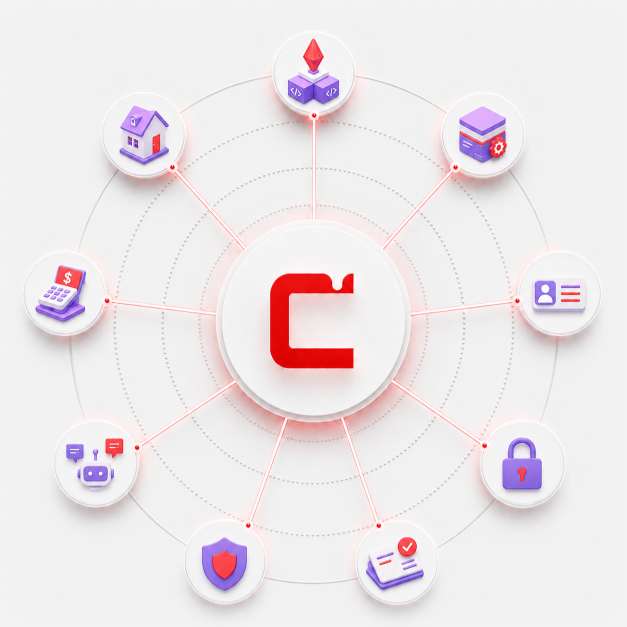
Casper supports this direction through x402 payments, MCP-native tooling, AI Agent Skills, and account systems that can support automated onchain activity.
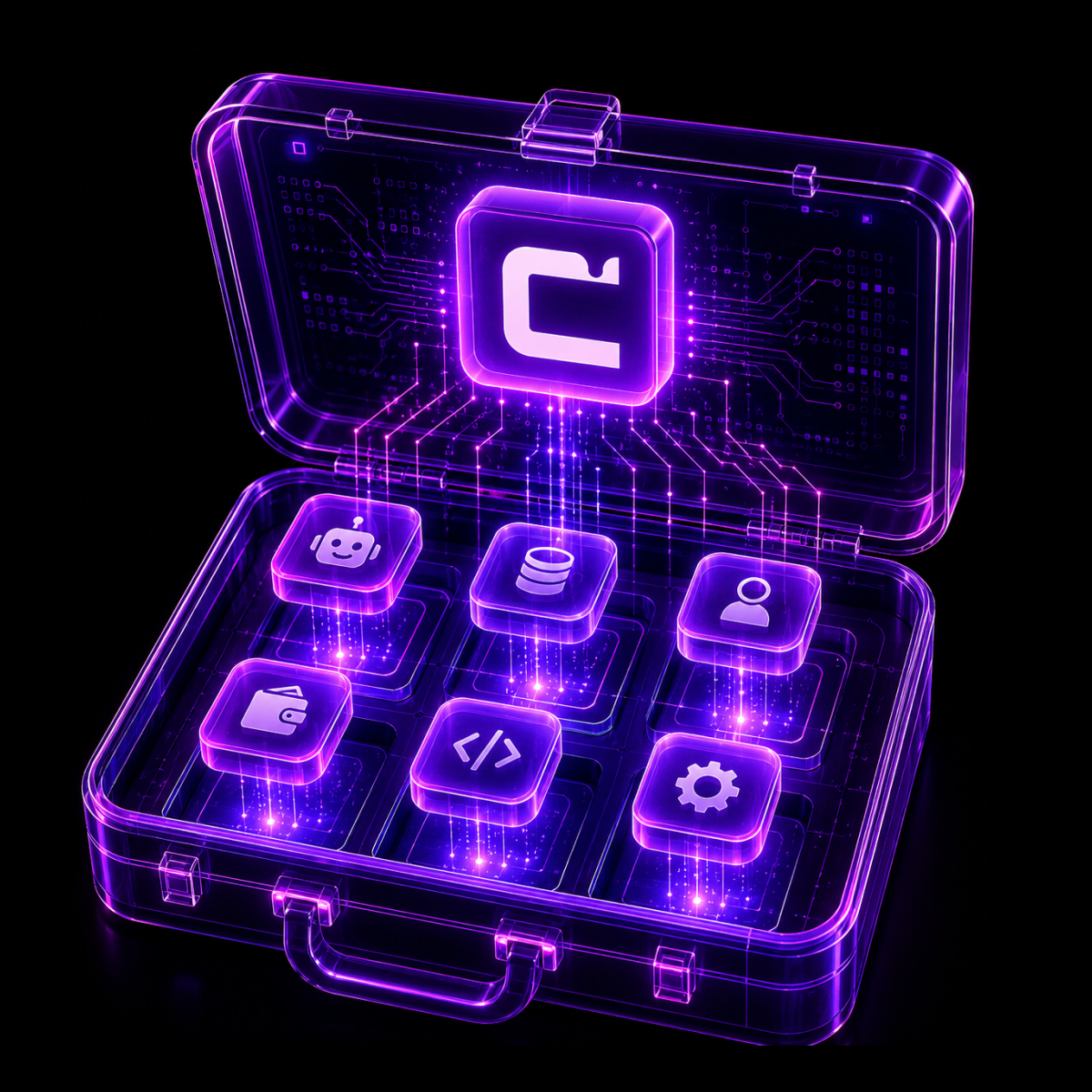
Casper offers one of the most comprehensive AI toolsets available on any Layer 1.
The Casper AI Toolkit gives developers and AI agents the infrastructure they need to transact, deploy, and operate autonomously onchain.
It includes:
The next phase of blockchain adoption will be defined by systems people can use without thinking about the network beneath them, institutions that can bring real assets onchain compliantly without giving up control, and machines that can transact with the same reliability expected from human-operated software.
Subscribe to our Newsletter